
A personal injury settlement is often intended to help someone rebuild their life after a serious accident. If you are wondering The Intersection of Divorce and Personal Injury Settlements in Texas: Who Gets the Money?, the answer depends on how Texas law classifies different portions of the settlement. When a marriage ends around the same time, an important legal question arises: Does a spouse have a right to any portion of that settlement?
The answer under Texas law is not as simple as many people expect.
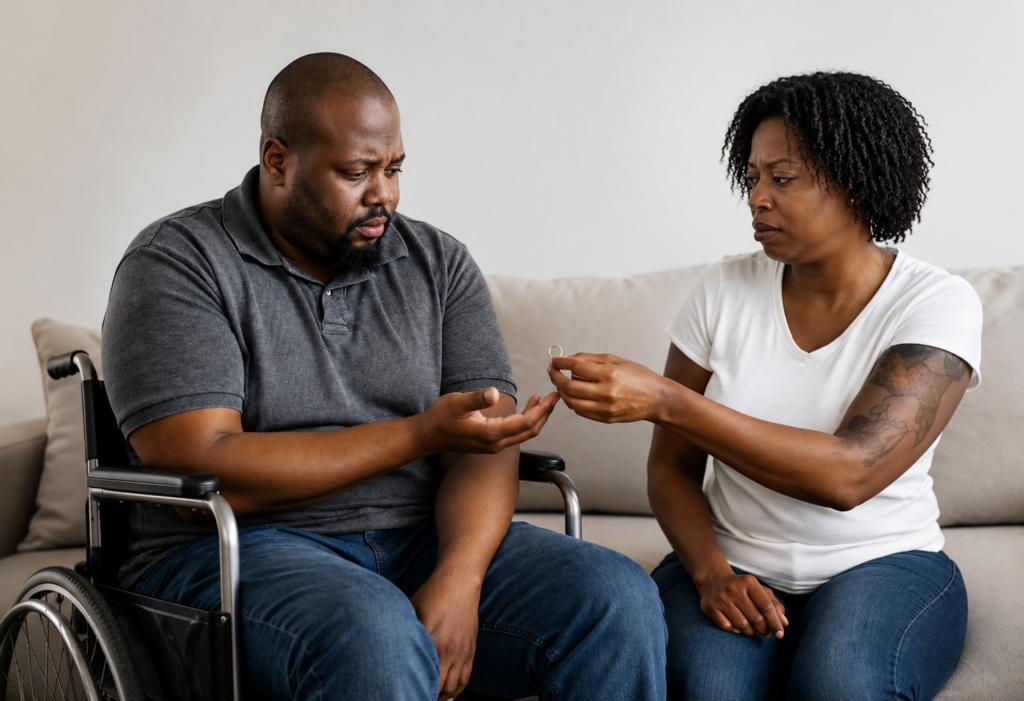
Texas follows community property rules, but that does not automatically mean every dollar of a personal injury settlement is divided during a divorce. Some portions of a settlement belong exclusively to the injured spouse, while others may be subject to division between both parties. Determining which category applies requires a careful legal analysis of the settlement itself, when the injury occurred, and how the compensation is classified.
If you are facing both a divorce and a personal injury claim, understanding how Texas courts distinguish separate property from community property can protect your financial future and prevent costly mistakes.
Understanding Community Property in Texas
Texas is one of only a handful of states that follow a community property system. Generally speaking, assets and income acquired during a marriage belong to both spouses, regardless of whose name appears on a title or account.
When a divorce is filed, the court divides community property in a manner it considers “just and right.” While many people assume this means an equal fifty-fifty split, Texas courts have discretion to award an unequal division when fairness requires it.
Not every asset acquired during marriage becomes community property, however.
Texas law recognizes separate property, which belongs exclusively to one spouse and is not divided during divorce. Separate property generally includes:
- Property owned before marriage.
- Assets received by gift or inheritance.
- Certain compensation is received for personal injuries.
That final category often confuses because not every part of a personal injury settlement is treated the same way.

Are Personal Injury Settlements Separate Property?
In many cases, yes.
Texas law generally considers compensation for personal injuries to be the injured spouse’s separate property. The reasoning is straightforward. The settlement compensates that individual for injuries they personally suffered, not for losses shared equally by the marriage.
Compensation for the following is usually considered separate property:
- Physical pain and suffering
- Mental anguish
- Physical impairment
- Permanent disability
- Disfigurement
- Medical expenses paid on behalf of the injured spouse
- Future medical treatment
- Loss of enjoyment of life
These damages are intended to compensate the injured individual rather than the marital estate. As a result, they typically remain the injured spouse’s property after divorce.
However, there is one important exception.
Lost Earnings Can Become Community Property
A personal injury settlement often includes compensation for wages the injured person could not earn because of the accident.
Texas treats those lost wages differently.
If the settlement replaces income that would have been earned during the marriage, that portion generally becomes community property because both spouses would have benefited from those earnings had the injury never occurred.
For example, suppose a married individual suffers severe injuries in a trucking accident and later receives a settlement totaling $600,000.
The settlement may include:
- $350,000 for pain and suffering
- $100,000 for future medical care
- $50,000 for permanent impairment
- $100,000 for lost wages earned during the marriage
In this scenario, the first three categories are generally considered separate property. The $100,000 replacing lost marital income, however, may be treated as community property and become subject to division in the divorce.
Because settlements often do not clearly identify how much money is allocated to each category of damages, disputes frequently arise.
Timing of the Injury Matters
When the injury occurred also plays an important role.
Injuries Before Marriage
If the accident happened before the marriage, the resulting settlement is generally considered separate property.
Since both the injury and legal claim existed before the marriage began, the compensation usually remains with the injured spouse.
Injuries During Marriage
When an injury occurs after the wedding, the analysis becomes more complicated.
Although much of the settlement may still qualify as separate property, any compensation replacing marital earnings or reimbursing community expenses may become subject to division.
Each case depends on the facts surrounding the accident and the settlement itself.
Why Settlement Language Is So Important
One of the biggest challenges in divorce cases involving personal injury claims is determining what the settlement actually paid for.
Some settlement agreements specifically allocate compensation among categories such as:
- Medical expenses
- Pain and suffering
- Lost earnings
- Future medical care
- Permanent disability
These detailed allocations often make property classification much easier.
Unfortunately, many settlements simply provide one lump-sum payment without explaining how the money should be divided among various damages.
When that happens, both spouses may present competing arguments regarding which portions should be classified as separate or community property.
Courts may review settlement agreements, insurance records, pleadings, medical evidence, and testimony to determine the proper classification.
Commingling Can Create Serious Problems
Even when settlement funds begin as separate property, they can lose that protection if they become mixed with community assets.
This legal concept is known as commingling.
Imagine an injured spouse deposits a $250,000 settlement into a joint checking account used for everyday household expenses.
Over the following months, the money is used alongside marital income to pay:
- Mortgage payments
- Utility bills
- Credit card balances
- Home improvements
- Family vacations
Eventually, neither spouse can clearly identify which dollars came from the settlement and which came from marital earnings.
In many situations, tracing separate property becomes difficult or even impossible.
If separate funds cannot be adequately traced, a court may determine that part, or in some circumstances all of the money has become community property.
Maintaining settlement proceeds in a separate account with careful documentation is often one of the best ways to preserve separate property status.
Reimbursement Claims May Also Arise
Another issue frequently overlooked involves reimbursement.
Suppose community funds were used to pay medical expenses while the personal injury case remained pending.
After the injured spouse receives a settlement reimbursing those same medical costs, the community estate may have a reimbursement claim because marital funds initially covered those expenses.
Similarly, one spouse’s separate property may have been used to pay costs benefiting the community estate.
These financial issues require careful accounting and often become contested during divorce proceedings.
What Happens If the Personal Injury Case Is Still Pending?
Many divorces begin before the personal injury lawsuit concludes.
This creates additional legal challenges because neither spouse knows exactly how much the settlement will ultimately be worth.
Texas courts may address pending claims in several ways.
The divorce decree may specify how future settlement proceeds will be divided once the case concludes. In other situations, attorneys negotiate agreements that preserve each spouse’s rights while allowing the divorce to move forward.
Waiting until after the settlement is finalized is not always practical or necessary.
Instead, experienced legal representation helps ensure that future proceeds are properly characterized and protected.
Can You Hide a Personal Injury Settlement During Divorce?
Attempting to conceal settlement proceeds is rarely successful and can have serious legal consequences.
Texas law requires full disclosure of assets during divorce proceedings.
If a spouse intentionally hides settlement funds, transfers money to avoid division, or provides false financial information, the court may impose significant penalties.
Judges have broad authority to compensate the other spouse through an unequal property division, monetary sanctions, or other legal remedies.
Transparency is always the better approach.
Protecting Your Settlement Before Divorce
If you have received, or expect to receive, a personal injury settlement, taking certain steps early may help protect your interests.
These include:
- Keeping settlement funds in a separate account.
- Preserving copies of settlement agreements.
- Maintaining detailed financial records.
- Avoid unnecessary transfers between separate and joint accounts.
- Consulting both a divorce attorney and a personal injury attorney before making major financial decisions.
Small mistakes made early in the process can become expensive problems later.
Why Experienced Legal Guidance Matters
Cases involving divorce and personal injury settlements are among the most complex property division matters in Texas family law.
Determining whether settlement proceeds are separate or community property often requires analyzing insurance documents, settlement agreements, medical records, employment history, financial tracing, and Texas property laws.
No two cases are exactly alike.
Whether you are the injured spouse seeking to protect your recovery or the non-injured spouse attempting to understand your legal rights, experienced legal counsel can help you navigate these issues while protecting your financial interests.
A thorough legal strategy developed early can often prevent disputes that might otherwise lead to lengthy and expensive litigation.
Protect Your Financial Future with The Law Office of John Nwosu
When divorce involves a personal injury settlement, the financial stakes can be significant. A mistake in how settlement proceeds are classified or handled could cost you thousands of dollars and permanently affect your financial future.
At The Law Office of John Nwosu, we understand that property division cases are rarely straightforward. Our firm provides strategic legal representation for clients facing complex divorce matters involving personal injury settlements, separate property disputes, reimbursement claims, and high-value marital estates. We carefully examine every aspect of your case, advocate aggressively for your rights, and work to ensure that your property is classified and protected under Texas law.
Whether you are preparing for divorce, negotiating a settlement, or already involved in litigation, you deserve experienced legal counsel committed to protecting what matters most.
Contact The Law Office of John Nwosu today to schedule a confidential consultation. We will evaluate your circumstances, explain your legal options, and develop a strategy designed to safeguard your financial future throughout the divorce process.
Final Thoughts On The Intersection of Divorce and Personal Injury Settlements in Texas: Who Gets the Money?
A personal injury settlement can represent years of recovery, medical treatment, and financial uncertainty. While Texas law generally protects compensation for personal injuries as separate property, that protection is not automatic. The timing of the injury, the purpose of the compensation, the language of the settlement agreement, and the way settlement funds are handled can all influence how the property is classified during divorce.
Understanding these distinctions before legal proceedings begin can make a substantial difference in the outcome of your case. Whether you are recovering from an accident, contemplating divorce, or dealing with both at the same time, obtaining knowledgeable legal advice early can help preserve your rights, avoid unnecessary disputes, and position you for the strongest possible result under Texas law.
